


Moving Guide
Your move north starts here.
Whether you're relocating for work, returning home or making a fresh start, there's plenty to organise before moving to North Queensland.
From finding a home and arranging removalists to updating your details and preparing for the tropical weather, this guide brings together practical information to help you get organised.
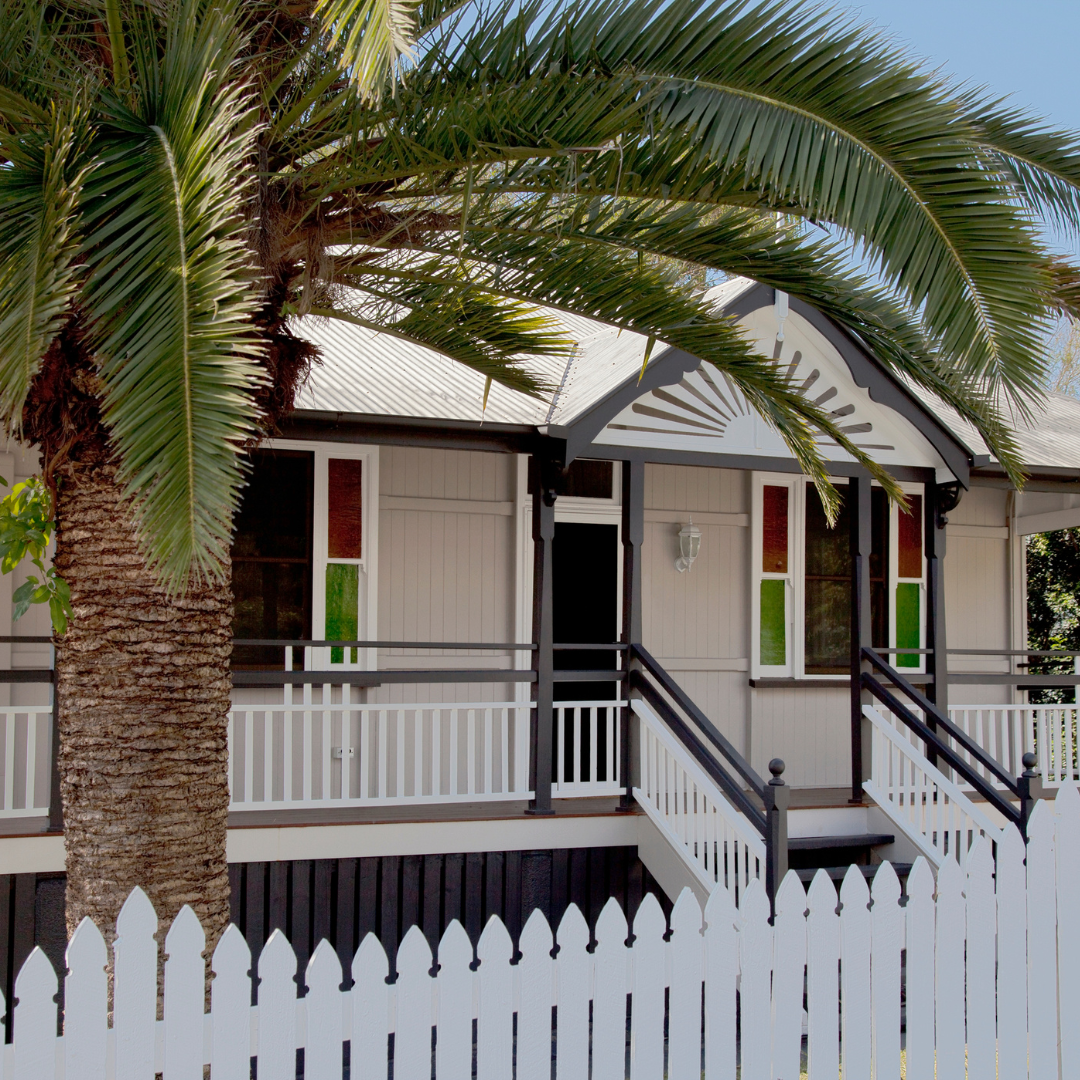
Finding your new home
Whether you're renting or buying, it's worth starting your property search well before your moving date.
If you're relocating from outside the region, consider arranging virtual inspections, speaking directly with local property agents and allowing time for temporary accommodation if your new home isn't ready.
Before signing a lease or purchasing a property:
-
Check the property's location in relation to your workplace and essential services.
-
Confirm internet and mobile coverage at the address.
-
Ask about parking, pets, air conditioning and any included appliances.
-
Review flood and storm-related property information and insurance options.
-
Arrange independent building and pest inspections when purchasing.
-
Check rental terms, bond requirements and entry condition documentation.
Understanding rental bonds in Queensland
For general residential tenancies, the maximum rental bond is four weeks' rent. Bonds must be lodged with the Residential Tenancies Authority (RTA), and tenants should receive confirmation of their bond details.
Residential Tenancies Authority
Queensland renting rules, bonds and tenancy forms.
Queensland rental bond lodgement
Information about lodging and managing a rental bond.

Getting everything from A to B
Moving to North Queensland may involve more than booking a removalist, particularly if you're relocating from interstate or moving to a smaller regional community.
Getting quotes early and confirming delivery arrangements can help avoid unexpected costs and delays.
Things to organise:
-
Removalists and freight: Request written quotes that outline packing, insurance, storage, delivery timeframes and any additional charges.
-
Vehicles: Decide whether you'll drive your vehicle north or arrange transport.
-
Pets: Check carrier requirements, vaccinations, accommodation arrangements and any applicable biosecurity conditions.
-
Utilities: Arrange electricity and other services before arrival, where possible.
-
Internet and mobile: Check service availability at your specific address rather than relying on suburb-level coverage.
-
Regional deliveries: If moving to Palm Island or a more remote location, confirm freight arrangements, delivery access and any additional transport requirements before booking.
Keep a separate bag with medications, identification, chargers, clothing and essential items in case your belongings arrive after you do.

The paperwork that comes with moving
Moving house means updating more than your postal address. Some changes are straightforward, while others have specific requirements if you're relocating from interstate.
Other important details to update include your Medicare and myGov records, electoral enrolment, bank and insurance accounts, employer, superannuation, subscriptions and postal address.
Mail redirection - Redirect your letters and parcels to your new address. Depending on the service, you can apply online or at the Post Office.
Medicare changes - Instructions on how to update your address and contact details using your Medicare online account.
Electoral enrolment - When you move house, or if you change your name, you must update your enrolment details.
If you're moving within Queensland, check that your address is current on your Queensland driver's licence and vehicle registration records.
Moving from interstate?
If your interstate-registered vehicle will be garaged at a Queensland address, you generally have 14 days to register it in Queensland. You must also transfer your interstate driver's licence within three months, subject to applicable exemptions. Find out more here.

Preparing for North Queensland's Weather
North Queensland's tropical climate is one of the things people love about living here, but it's important to be prepared for the wet season, tropical cyclones and severe weather.
The wet season generally runs from November to April, bringing periods of heavy rainfall, thunderstorms and the possibility of flooding and cyclones.
If you're new to the region, taking a few simple steps before you move can help you understand local conditions and prepare your household.
Before you move
-
Check your property's location: Look at local council flood mapping and disaster information to understand potential risks at your new address.
-
Review your insurance: Check what your home, contents and vehicle policies cover, particularly for cyclones, storms and flooding. Be aware of exclusions and waiting periods.
-
Prepare an emergency kit: Include drinking water, non-perishable food, medications, a torch, batteries, a first aid kit and important documents.
-
Know where to get updates: Familiarise yourself with official weather warnings, emergency alerts and local council disaster information.
-
Plan for disruptions: Severe weather can affect roads, electricity, telecommunications and access to some communities. Consider what your household would need if services were temporarily unavailable.
Useful Resources
Get Ready Queensland
Bureau of MeteorologyYour local council
Check your council's disaster dashboard or emergency management page for local flood information, alerts and community advice.Being prepared doesn't need to be complicated. Knowing the risks for your area, having a household plan and understanding where to find reliable information will help you settle into North Queensland with confidence.

Settling Into North Queensland
Welcome to North Queensland
You've made the move! Now it's time to get settled into your new home and community.
Whether you've relocated to Townsville or one of our surrounding regional communities, there are a few practical things worth organising in your first few weeks.
Community Information Centre Townsville
If you're new to Townsville, the Community Information Centre (CIC) is a great place to start.
CIC is a local not-for-profit organisation that helps residents find information, access services and connect with their community.
Their free New to Townsville Pack is particularly useful for people relocating to the region. It includes local maps, emergency contacts, community information, recreational opportunities and other helpful resources to get you started.
CIC also provides:
- Community directories covering local services, support organisations and community groups.
- Information on sporting clubs, recreation and volunteering opportunities.
- Referrals to local support services.
- Justice of the Peace services and assistance with forms.
- Friendly, face-to-face assistance for people who aren't sure where to start.
You can collect a free New to Townsville Pack from the CIC office or access digital resources online.
Visit: Community Information Centre, 280 Flinders Street, Townsville CBD
Phone: (07) 4727 9730
Useful links:
Get your New to Townsville Pack
Explore the Community Directories
Your First 30 Days Checklist
-
Check your utilities: Make sure your electricity, water (where applicable), internet and other essential services are connected and working.
-
Update your details: Confirm your new address with government services, banks, insurance providers and other important organisations.
-
Get to know your local council: Find information on rubbish and recycling collection, local facilities, community services and pet registration requirements.
-
Find essential services: Locate your nearest GP, pharmacy, hospital, supermarket and other everyday services.
-
Complete your rental paperwork: If you're renting, check and return your entry condition report within the required timeframe and keep a copy for your records.
-
Get familiar with your area: Find out about local transport, parking, community facilities and any relevant council requirements.
-
Connect with your community: Explore local sporting clubs, community groups, libraries and events to meet people and make connections.